
Diamond-Droid
Most mobile security lives in an app, which means it lives where a determined attacker can reach it and where a user can remove it. Diamond-Droid sits in the kernel instead, underneath the layer applications run in.
Protection that sits below the apps
Enforced below the layer apps run in.
Rules are enforced inside a hardened kernel rather than by software running alongside the things it is meant to watch. They are added as a verified module, so what gets enforced is checked before it is trusted, and continuous checks watch the kernel files themselves.
Rules written for your organisation
The rules belong to you, not to a vendor.
A filter can be scoped to a specific file, a specific record inside a file, or a specific kind of access. Depending on the rule a device can warn, withhold, return nothing at all, or notify an administrator remotely. The policy belongs to the organisation issuing the device, not to a vendor.

Written for fleets, not handsets
Built for devices an organisation must account for.
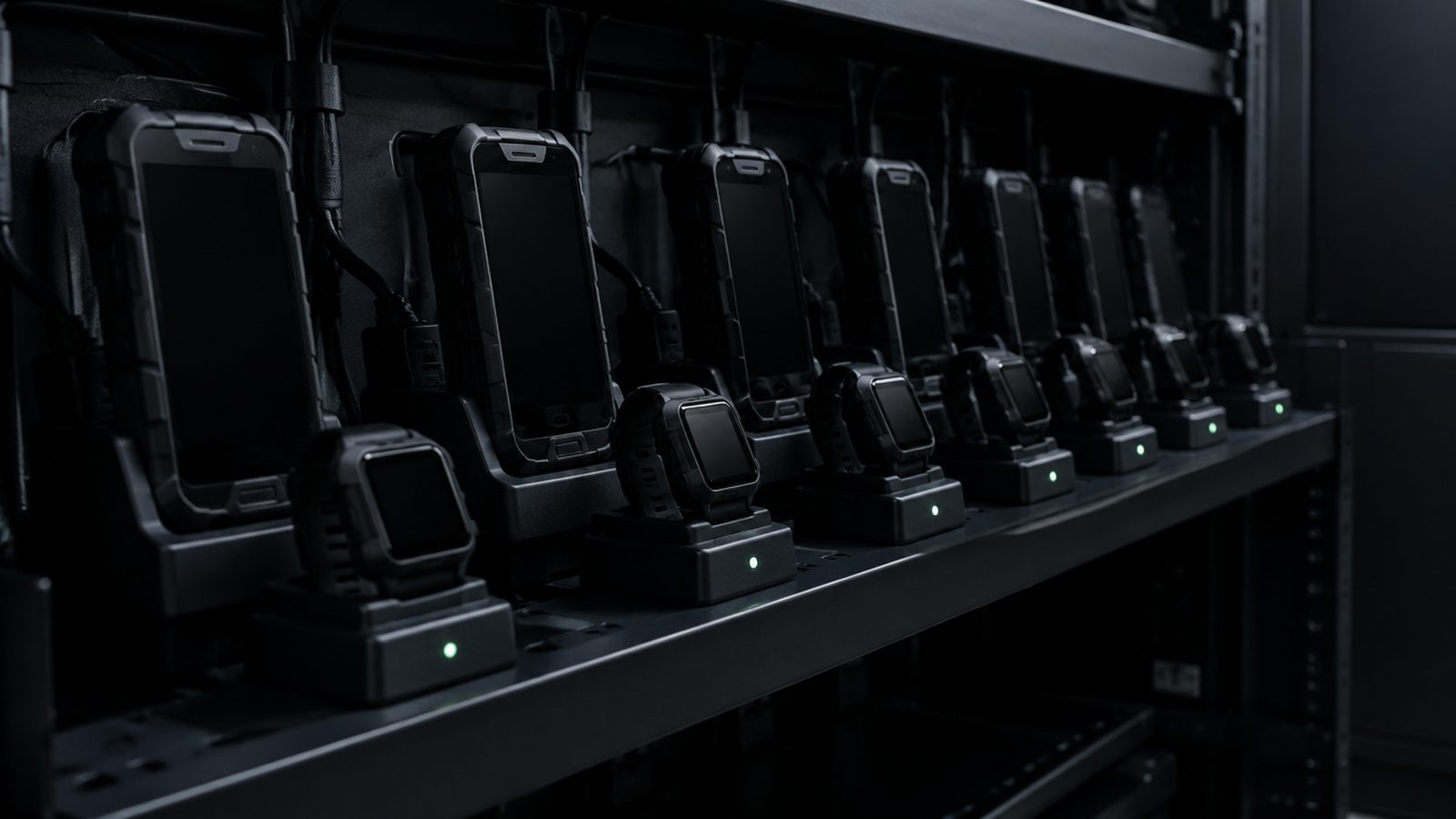
This is built around devices an organisation issues and has to account for, running on Android phones and wearables and on Linux-based embedded hardware. It is aimed at the sectors where a lost device is a reportable event rather than an inconvenience.
The record behind it.
Owned and licensed by Diamondbay Technologies Inc. Quantum Ventura offers it as part of the QuantumX line.
| Also known as | Quantum-X |
|---|---|
| Owned and licensed by | Diamondbay Technologies Inc. |
| Position | Kernel-resident, below the application layer |
| Platforms | Android phones and wearables, Linux embedded and IoT devices |
Tell us the program
and the problem.
We reply from San Jose, usually within two working days.